






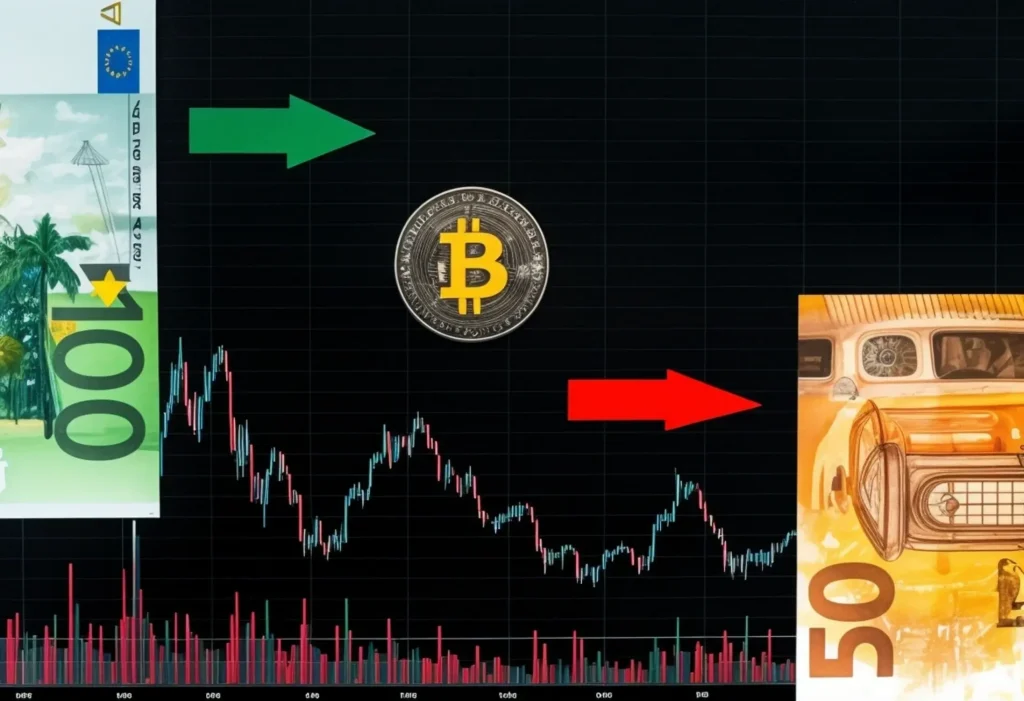
As Bitcoin’s volatility intensifies, investors must navigate the shifting landscape of the crypto economy. Understanding how these fluctuations impact investment strategies is crucial right now, particularly in light of increasing institutional involvement and the evolving cryptocurrency market.
Understanding Bitcoin Crash Dynamics
Bitcoin’s price has exhibited extreme fluctuations since its inception. Historical analysis shows that Bitcoin has witnessed crashes—some of which have led to price declines exceeding 80% briefly, particularly notable in 2018 when Bitcoin prices fell dramatically. This history of volatility has implications for investor confidence, which can wane during significant downturns. According to a recent report, rapid declines in Bitcoin value often result in a feedback loop; as prices drop, panic selling can ensue, further amplifying market instability.
The psychological aspects of these market reactions are significant. Investors who may have been holding Bitcoin for years often find their confidence shaken during downturns. Fear of missing out (FOMO) can drive prices up, but it quickly turns to fear and anxiety when prices fall. Moreover, the impact of social media narratives can exacerbate these reactions, leading to swift changes in market sentiment.
The Role of Speculation in Bitcoin’s Valuation
Speculation has remained one of the dominant factors driving Bitcoin’s price. Various reports indicate that during periods of market hype, speculators flood into the cryptocurrency market, inflating prices artificially. Presently, Bitcoin’s valuation fluctuates due to multiple factors, including speculative trading that can lead to sharp declines. For instance, after its significant peak of approximately $126,000 in late 2025, Bitcoin saw a painful drop attributed largely to speculative excesses within investor behavior and regulatory fears, as detailed in discussions around the changing political climate.
Recent trends highlight a surge in speculative behavior among new investors, many of whom are less experienced and more prone to emotional trading. Consequently, the volatility seen in Bitcoin prices may well reflect a mature but unstable market where both seasoned and novice investors react to fluctuations based on trends rather than fundamentals.
Cryptocurrencies Entering Mainstream Finance
The entry of Bitcoin and other cryptocurrencies into mainstream finance represents both an opportunity and a challenge. Bitcoin’s integration into traditional financial systems has transformed its perception as a speculative asset into a legitimate part of the investment landscape. As institutional investment increases, regulatory frameworks also evolve, impacting the broader cryptocurrency market significantly. A recent analysis suggests that upcoming regulatory changes could stabilize Bitcoin prices by fostering broader acceptance within institutional frameworks.—something that was discussed following President Trump’s ambitions to position the U.S. as a global crypto leader (source).
Despite these positive movements, the reality remains that Bitcoin’s price stability is yet to be assured. Institutional adoption may lead to more significant investments, but the intricate dance of regulation and market sentiment can quickly shift the landscape.
Cultural Narratives and Investment Strategies
Cultural narratives significantly influence how investors engage with cryptocurrencies. Media portrayal can shape public perceptions and create cycles of enthusiasm or skepticism about Bitcoin. For instance, as highlighted in various reports, successful media narratives can either encourage buying frenzies or spur panic selling when the narrative shifts. Investors are increasingly advised to consider these narratives when crafting their investment strategies.
Furthermore, adopting investment strategies that resonate with cultural trends—like focusing on environmental, social, and governance (ESG) factors in crypto investments—can provide avenues for marked differences in returns. Potentially engaging with cryptocurrencies that align with current values could not only mitigate risks during downturns but also foster a more sustainable investment approach.

Future Implications for the Crypto Economy
Predicting how Bitcoin’s volatility will shape the broader crypto economy entails examining several emerging trends. Price fluctuations are anticipated to affect not just Bitcoin but the entire cryptocurrency market, with potential shifts in investor demographics. More specifically, with credible estimates indicating that crypto ownership may reach approximately 14% of U.S. adults by 2025—rising to 25% among younger demographics—investor behaviors will evolve alongside market maturity and regulatory acceptance (source).
The future of cryptocurrency regulation also looms large, as ongoing developments promise to create a more robust environment for digital assets. If these regulations nurture investor confidence, the volatility could stabilize over time, leading to a more grounded approach to crypto investments in general.
Actionable Strategies for Navigating Volatility
Investors should focus on actionable strategies tailored for dealing with Bitcoin’s volatility. Here are some key approaches:
– Diversification: Maintain a balanced portfolio with various cryptocurrencies to mitigate risks.
– Educate Yourself: Stay informed about market developments and emerging trends in both the crypto economy and regulatory landscape.
– Risk Management: Implement strategies like setting stop-loss orders to manage investment risks effectively.
Encouraging continuous learning about market fluctuations equips investors to respond thoughtfully to sudden market changes, thereby ensuring they can navigate the complexities of the cryptocurrency investment landscape.
About The Author





More Stories
How New Investors Are Using AI Trading Bots to Navigate Crypto Markets
Why Trump’s Comments Are Shaking the Ethereum Market to Its Core
How Investors Are Using FOMC Insights to Navigate Crypto Trends